Hey, small world, I spend most of my time in the Kaitake ranges as part of the Kaitake Ranges Conservation Trust :).
No, he didn’t look at anything other than picture quality and whether they were getting photos of all animals passing by. However, kind of related, I did see one of the kid’s science fair experiments from a few years ago where they tested different aa battery types and the ‘number 8’ brand came out on top, so that’s a good brand to buy.
I think one of the trickiest thing with the cheaper cameras (e.g. $80) is they don’t really have models that stick around, so you can’t buy one and test it out and confirm it’s good enough and then look to buy a heap more of the same model because it’s probably being discontinued. There will be a heap of other cameras in the same price range that might be built in the same factory but really hard to know if they’re the same or not.
Hi Dave,
We catch predominantly rats, about 20 rats to 1 stoat. Occasionally we get a cat. Sometimes ferrets, down near the boundary. Some trappers have started getting weasels after adjusting the trigger weight down to 80 grammes. Weasels are very fast as well as small - I suspect we would be lucky to see a blur on a trail cam.
There are possums and higher up, rabbits, but there shouldn’t be anything bigger on the mountain. I hope not!
I was planning to just set up at a couple of DoC200s that are on management tracks (so not likely to be seen by the public), one near the boundary and one higher up. I want to know what happens at ‘average’ traps, so I won’t use a bait station or anything like that.
But I expect that the average trap doesn’t get traffic all that often, hence the need to leave the camera in place for long periods.
I have ordered a couple of cheapies from Temu, but as you say, I don’t expect them to be available in six months if I decide to get more.
I can write off $100 in exchange for the experience and knowledge gained. Then I’ll be in a position to sell the Taranaki Mounga leadership on doing more monitoring if I can see the value. Knowing that it’s not worth doing and why not would also be valuable. Win either way.
Following a colleague’s report of trail camera theft from their property - anyone got good tips for securing cameras in order to avoid future replacement costs?
Obviously the less accessible sites will have less chance of theft, but there’s only so much one can do when the camera needs to be on a route that animals use!
Hi you can buy steel Camera Boxes to suit most cameras like Bushnell, I made my own from sheet metal seeing as my background is engineering, my security boxes are fixed to the tree with a few screws inside the box, outer cover is hinged on one side and fixed in place with a padlock
If you try to break out the camera you wreck it anyway and I figure if someone goes to the trouble of coming back with a bolt cutter or cordless grinder they were going to steal it regardless of what I did
stolen cameras is another good reason for not spending too much on them
Another point to note, and one that I’ve just realised is about batteries and the use of Lithium-ion batteries (Such in the TP-Link Tapo series) and the deployment of these cameras into the bush, and the associated fire risk.
It’s probably not that bad, I can’t find any indication of which battery chemistry they use but the packs look like 18650s so it’s not the most dangerous tech, LiPo, which is made worse by the fact that cellphone vendors want to claim their phone is thinner than everyone else’s so they push it to the limit. For NMR 18650s the biggest risk time is while charging, which would hopefully not be done unsupervised.
Since the packs are presumably just two 18650s in a plastic case, you could possibly replace them with much safer LFP cells at a slight reduction in capacity, provided the device can handle the slightly lower voltage.
HI Greg
for monitoring boxes/traps cheaper cameras should be ok as the animal has to stop so super fast activation times are less important.
I don’t know if you have read the other threads much of which is in tip and tricks about animals not wanting to cross the treadle plate to get the bait and a couple of options.
What would be a good extra to your trial is how many animals turn around and come back out the entrance to live another day,
Hi Greg
I forgot to mention that it is fairly normal to have high rat catches a year after a 1080 operation
most of the research says ship rat populations return to pre operation levels within 9 months
Not recommended to use 1080 more than once every 3 years, one of the large groups I work with do 1080 every 3 years and in the other 2 years do a pindone operation for rats with my excluder baffles in the bait stations to reduce possum interference, they also use possum traps plus 200’s cheers
OK, I’ve been watching far too many youtubes and reading too many hunters’ blogs about trail cameras in the last couple of weeks. Many of you who have already tried cameras probably know all this stuff, but it was scattered around in different places so I thought I would collect it together.
Batteries
For long deployments in cold weather, use lithium iron disulphide type AA batteries (Energiser Ultimate Lithium is about the only one in NZ) if your camera uses AA batteries. LiFeS2 stays at 1.5 volts pretty much for the life of the battery and works better in the cold. The cheaper cameras (and some of the more expensive ones too) can’t cope with reduced voltage. For the cheaper cameras a set of batteries could cost as much as the camera!
Alkaline batteries have a steady voltage drop over their life, and don’t work so well in the cold, so it’s likely you’ll only get half the rated life out of them, and may end up with a corrupted SD card (no pictures) if the voltage falls too low whole recording.
For the same reason (low voltage) NiMH rechargeables are not recommended.
The new lithium rechargeable AA batteries (e.g. Pale Blue) are also not recommended because they aren’t designed for the high currents that cameras draw at night with the IR LEDs operating. They get too hot and melt the battery holder of the camera. (More of a problem with video rather than still photos I expect.)
Camera Prep
Insects. Wipe the inside of the camera, the battery holder, with Permethrin solution (long lasting insect repellent, for tents and such) and let it dry in there, to discourage insects if (when) you get a gap in the seal. (Work outside on a calm day when applying this, and wear nitrile gloves and a face mask and safety glasses - not good stuff to get on you in droplet form.) Put a sticker inside to remind you to wear nitrile gloves when changing the batteries.
Fogging. Wipe/spray the camera lens outside, and the LEDs, and the PIR sensor window, with Rain-X Water Repellent to make rain/mist bead and run off quicker. (From Super Cheap Auto.)
Silica gel. If there is room anywhere inside the camera body, tuck a few silica gel dessicant packets inside the camera just before closing it up on deployment. You can get these from Aliexpress if you haven’t been saving them from things that you buy (and baking them at 120 degrees for two hours or so). Keep them in a tightly sealed bag or jar until ready to use. Slows down internal condensation when it gets cold, and therefore slows down corrosion inside the camera.
If you are not worried about making the camera inconspicuous, a plastic milk bottle can be cut into a “rain cape” for it.
SD Cards
Format the SD cards in-camera. In theory it should not matter but lots of people report weird stuff happening to the pix unless they use the camera’s “format card” on every deployment.
Marry your cards to their cameras - always use the same card in the same camera. Again in theory they should be interchangeable, but in practice, not so much.
Have 2 cards per camera so you can quickly swap cards and download the pix at home at your convenience.
Use high quality cards sold for professional digital cameras, e.g. Sandisk Extreme Pro or the high end Lexars (not the cheap Lexars). They should cope with old and tired batteries a little better than the cheapies. (That is, not corrupt the card trying to save a picture with not enough juice left in the battery.)
Good reliable info on SD card characteristics (peak current draw, lowest working voltage, types of failures, etc.) is hard to come by. Expect some trial and error.
If you camera has a full size SD card slot, get full size SD cards for it. The adapter/holder thing you get with MicroSD cards is another possible point of failure.
Deployment
Angle the camera’s field of view at 45 degrees or so to the likely path of animals in front of your camera. PIR sensors need side-to-side movement for best activation, but cameras are slow to start up when movement is detected, so for best chances of actually recording the animal, you need a bit of the length of the path as well. 45 degrees is a compromise.
Clear the camera’s view of anything that will move when the wind blows. Small branches and so on. (Secateurs are part of the deployment toolkit.)
Don’t face the camera to the east or west where the sun will shine directly into it morning or evening. South is probably best, if sensible for the site.
Test the deployment. Once set up, trigger the camera by moving in front of it, and check the captured photo/videos to make sure the lens is pointed the right way (and that the thing works!).
Remember to switch the camera out of “settings” mode to “on” mode before trekking home! There were many stories of dead batteries and no photos.
Security
Most people said to forget the webbing strap that comes with the camera.
Options for securing the camera to a tree include:
a “python cable” with key lock (Mitre 10 and Bunnings have “Master Lock” brand python cables). Pro: small key is light to carry on return trips. Con: expensive.
No. 8 soft galvanised tie wire, possibly with Waratah Gripple reusable wire joiners. Pro: cheap. Con: need to bring pliers and replacement wire when moving the camera.
Galvanised braided wire 3 -5 mm diameter with u-bolt type braided wire grips. Pro: wire is hard to cut - but the camera might be just ripped off it. Con: tightening the small nuts on the u-bolt legs is fiddly.
Try to keep the camera out of obvious places people look when walking the trail.
Possibly insert an Airtag if there is room inside the camera’s body: Requires disassembling the camera a bit to place the Airtag where it can’t be seen.
Discourage people from opening the camera, and taking the SD card and/or batteries by using a cable tie on the swing door loop. Con: have to carry spare cable ties and cutters.
Take a photo of the camera and its surroundings once it’s set up and running (using your phone). Also use your GPS app to record the location if you have the “record location” setting turned off for photos on the phone.
A comment on USB-rechargeable AAs, those are really gimmick batteries, you can’t get much in the way of sophisticated charging and protection circuitry into that form factor alongside the required LiPo cells, and you’re also continuously running a DC/DC converter to take the 3.7V of the cell down to 1.5V. I’d put them in a TV remote, but not a camera that has to run unattended over long periods.
In terms of insecticide, there are other synthetic pyrethroids that have better long-term stability than permethrin, e.g. deltamethrin. You can get the latter as No Bugs spray.
In terms of in-camera formatting, yes definitely. I’ve worked with in-device firmware for formatting cards and it typically does the absolute bare minimum to get something vaguely FAT32-shaped onto the card. Windows and Linux are very tolerant of not-really-to-spec cards and will still read them, but the firmware won’t read anything but the precise oddball format it creates.
Just adding to GrepVP’s excellent “tips so far” - and adding my fails i did so you dont have to.
Its always a journey to a trailcam, and then a couple of weeks of waiting, then christmas or bust.
My common fails are
Date/Time fail - resetting batteries on SOME cameras (browning!) results in the date or time being reset.
Symptoms " Aka Midnight sun "
Another video from 1/1/1970
All night time videos are in glorious sunlight
“Triffid” or “runner bean fail”
Perfect camera placement voided by a thin daylight seeking frond or plant of some description
2000 or so still pictures of various aspects, and stages of growth.
We still get some target species, but the pics/video is washed out as the flash/IR overwhelms the sensor
Inspect the area for possible climbers.
Just out of view fail
doesnt need a comment, animal tail clearly in focus…
Travel Kit
Highly recommend being able to flip through the hundreds/thousands of pics on the card in the field. A phone sdcard reader pays dividends.
Take a saw along, remove the 1 branch from the perfect cam location.
Rattle gun makes placing of secure boxes a cinch.
Camera placement
Clearly goals related but having a trap or a bait source is an obvious place to point a camera at.
+1 for the foliage problem, I’ve never had a trigger on slow growth but as soon as any wind comes up and the shoot starts waving in front of the camera… another problem is spiders building a web just above the camera and triggering it with a spider walking around in front of the lens. So make sure your placement is clear of any undergrowth or any area likely to sprout undergrowth in the near future.
Hi maybe you should put in a Christmas order with Santa for better cameras. Best advice I can give is to have a look at the specs before you buy, look for two functions to activate Movement and change in Heat, my Moultrie Cameras were not that expensive but I get very few false triggers, mostly just the rising Sun if I haven’t been able to set the camera up in exactly the right direction
I know your cameras do not have the change in Heat function as spiders are cold blooded
The one with the spider problem is a PTZ wired camera in the bush below the house, not a trail camera. Great for following possums around to see their behaviour near the traps, but it doesn’t use PIR triggering.
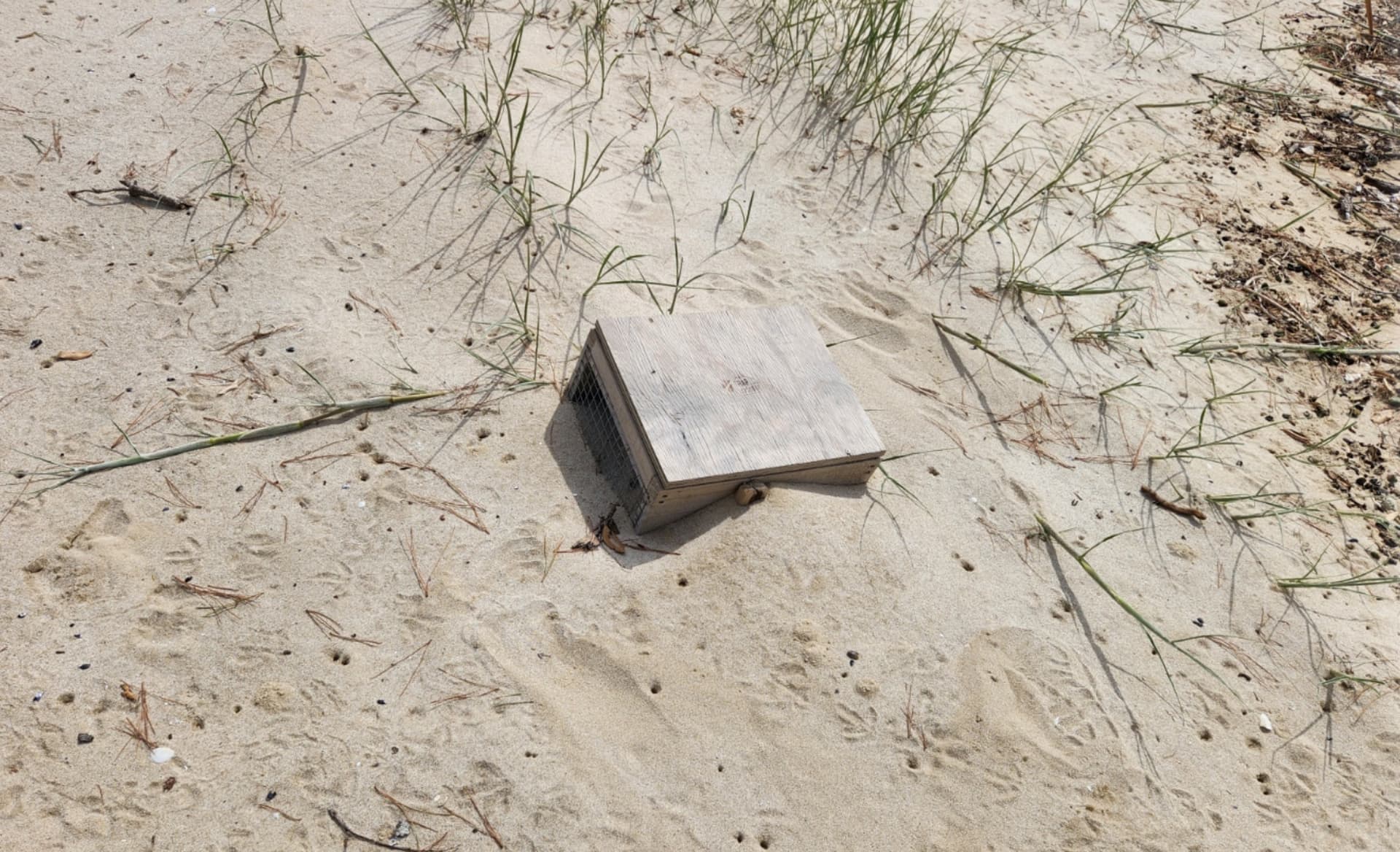
One thing I have been doing lately is watching dotterel nests on a beach with a camera in a DOC250 box. The reason for the trap box is that most people don’t realise there’s a camera in there and so they don’t get pinched.
A beach is a terribly hard environment for a trail camera. Sand gets in everywhere due to wind and rain and tide! I guess the box provides a bit of protection from the sun, but it’s still a very harsh place to have them.
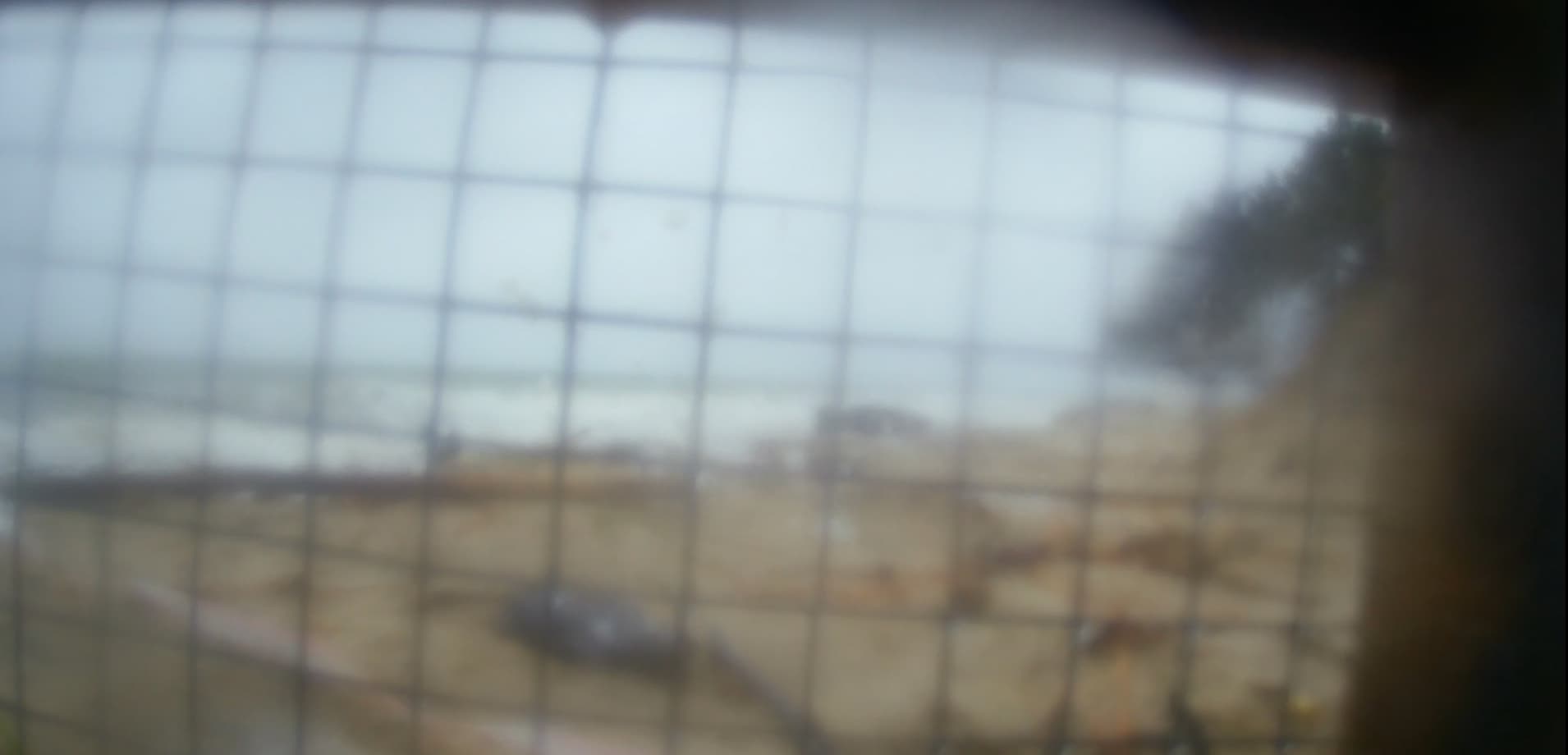
This camera has been totally submerged by both water and sand at least 3 times and still works perfectly! I have no idea how this is possible! See these photos:
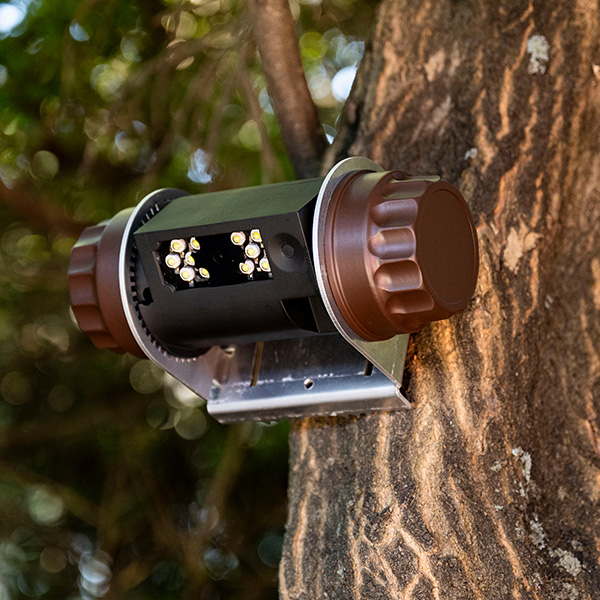
That’s pretty impressive specs for the price from a NZ seller, built-in viewing screen (an absolute must for positioning), no-glow, etc. And since you mentioned them getting nicked it has one other useful attribute, it looks like a generic cheap Trademe model so possibly less temptation for someone to make off with it.
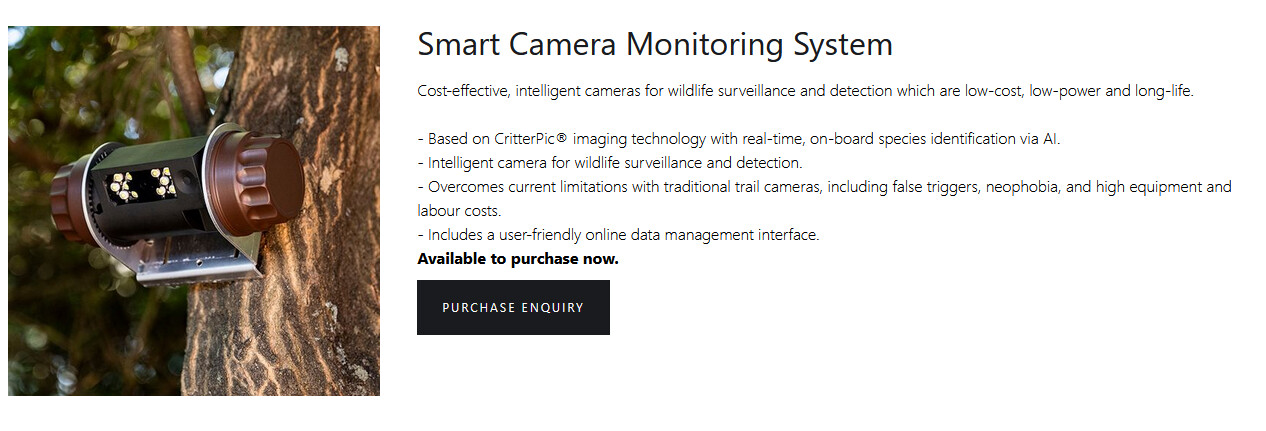
I spoke with Helen Blackie, the team leader at the Auckland hui late last year. She said they were all available for purchase. It sounded like they were completely developed and being shipped.
But I suspect they aren’t really available as yet. Or perhaps only as part of larger projects where they are testing them.