Putting the pill container inside the bottles is a great idea!
If you used a funnel, could you get the blue lure inside empty Goodnature sachets?
Something that might work is a bottle with the teat that farmers use to feed lambs. I’ve never used the blue lure, so the texture might be a problem.
I keep meaning to find a few planks to screw my Timms onto to lean against trees, but I think I’ll have to buy some that are wide enough. I try to keep all of my traps mounted.
I’ve never had any problems with wasps, fortunately. We have Arataki Honey hives on our property, so if we report seeing wasps, they send a worker out here to kill them. They’re thorough, following the stream of wasps to their nests, at a considerable distance and often through fields of blackberries. They do a bloody good job.
Did they complain to you because the apples cause the skewers to rust?
Could a tea strainer be used? I’m going to fit some of my DoC tunnels with them soon.
I also won’t bother using plastic, because it’s a hassle and I use enough plastic as it is. If a trapper had a big problem with insects and slugs and snails, using plastic bags would make sense, but what a pain in the ass!
Wow, that’s one hell of a PB pre-feed!
I’m not going to use the jam here, because there are too many species at risk of by-kill. Honey and bumblebees are plentiful here, and there are some wasps, so I’d have to visit my traps at dusk to avoid being stung.
For planks, get retaining-wall timber, that’s usually H4 treated so will last awhile and is pretty cheap. It’s sold by the metre so you may be able to get a few offcuts from the scraps bin at Bunnings/M10. I managed to score a bunch of half-rounds free from a demolished retaining wall that will probably outlast the Timms mounted on them.
You also don’t need to buy full-width timber, just screw a cross-piece on at the appropriate height and then attach the Timms to that, that’s what I did with the half-rounds which weren’t otherwise wide enough.
Another option is to buy the Smooth paste in bulk 10L bucket then scoop out what you need instead of using the annoying tubes. I find the 1L Killinchy Gold ice cream containers ideal, that’s enough to bait about 30 Sentinels or Trapinators including a generous smear up the tree below each trap.
Victor Professional
I have just starting using these traps after becoming disillusioned with the E Snap and T rex.
Can anyone give me some tips? Do you normally screw them down ?
Steve
I mount down all of my snap traps, now. The reduction in dirty kills and injuries has been huge, and my traps take way longer to break, because they aren’t getting knocked around.
I don’t use Victors, but I use a metallic trap that has the same design, called a made2catch. It’s way easier and safer to arm when it’s mounted - no blue thumbs!
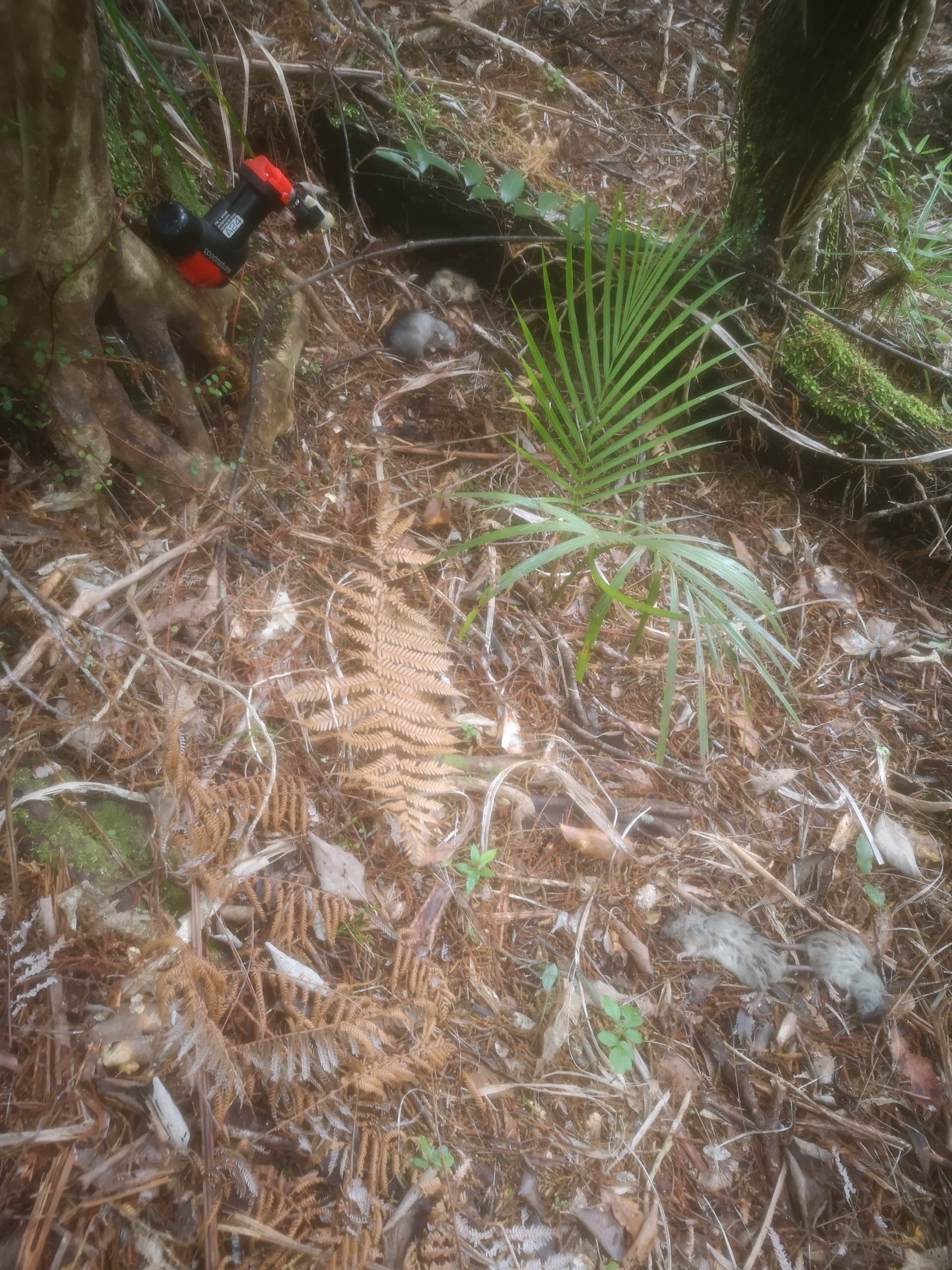
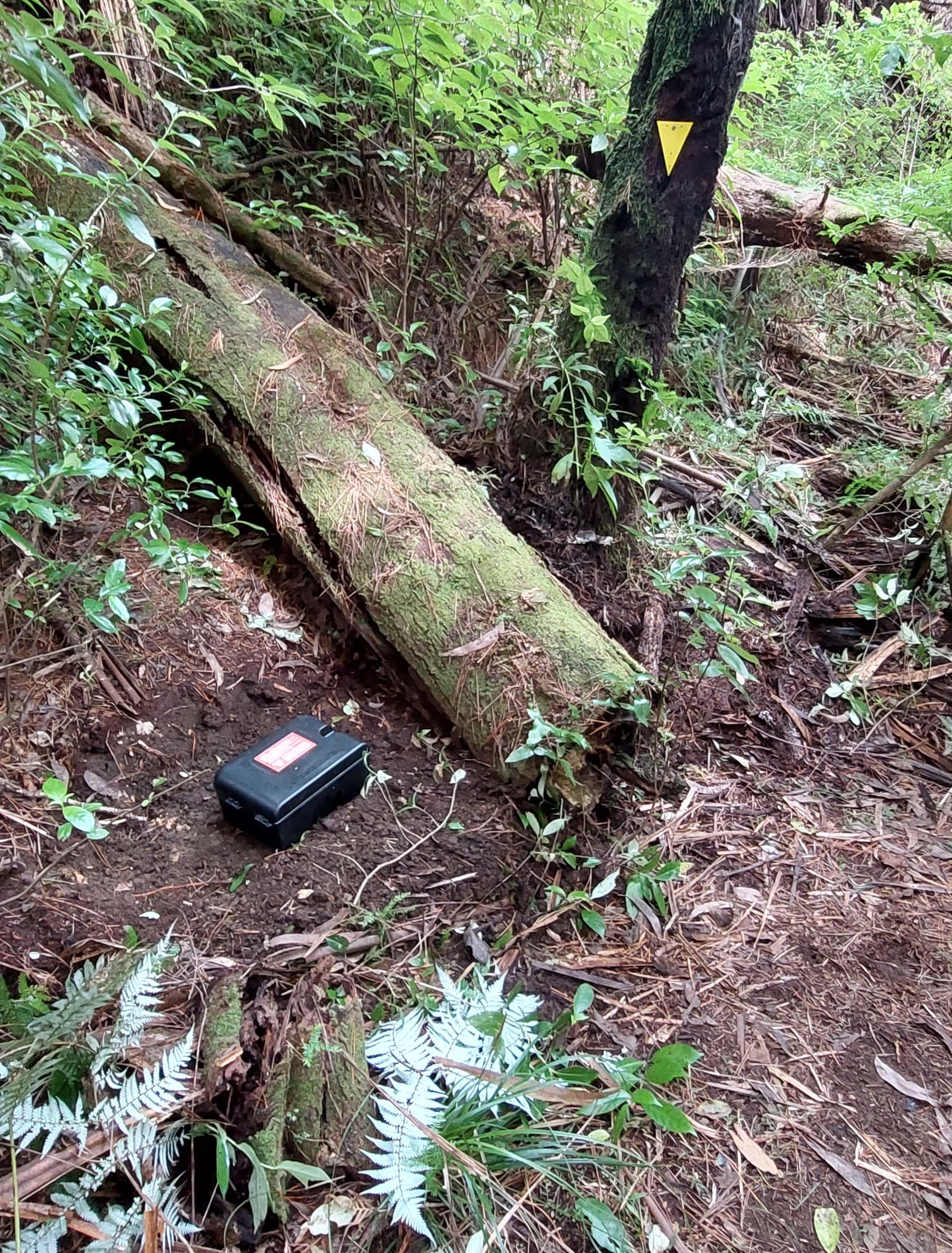
Just a few comments on the A24. After not doing much following shoulder surgery I picked up a ‘run’ of a few trap lines on which I had a few A24’s. They need regular attendance. The bait dries up or gets mouldy (auto-pouch for stoat/rat) and is not attractive anymore. The attached photo has 5 rats in it (1 hidden behind the green Nikau leaf). The trap just had the Goodnature cinnamon-based pre-feed lure in it. A trail below the trap and into the bottom of it with the pre-feed. It was serviced 2 weeks earlier. It probably wiped out a whole rat family as most were quite young. The same day I had another 4 rats on an A24 on another trap line. They do work, but may need moving around to find higher-density infestations.
My problem with A24’s has been mice eating the lures without being trapped, because they can sneak in without hitting the trigger. I’ve never found a moldy lure, for this reason.
I’ve read several studies about A24’s, and they both concluded that they’re an excellent way to quickly knock down large populations of rats in areas that haven’t had any pest control, but once predator populations reach low levels, they are less effective than traditional control using snap traps and/or DOC tunnels.
One reason for this, is that some predators refuse to put their head inside an A24. They’re far more likely to enter a snap trap or DOC tunnel, due to the larger size of the entrances and their ability to see more.
I’d be inclined to leave the A24 in the photo where it is for a bit longer. Clearly, it’s in a spot that has received a good amount of traffic. Once your shoulder is 100%, I’d put a snap trap and/or DOC tunnel nearby to find out if you’ve found an above-average site. Putting any dead rat killed in the A24 into the DOC tunnel nearby, should be an excellent way to trap the individuals, including mustelids, that won’t interact with the A24. Small rodents are also excellent lures, especially for female weasels and juvenile mustelids.
Six months ago, I decided to clean up a trap line that I had developed and looked after for about ten years – the Kness snap-e traps were under open core flute covers – often on sites just off the main tracks. Who would ever find them when I am gone? So, I decided we should purchase new tunnels that are safer for children and reposition all trap sites adjacent to the main tracks. Plastic tunnels seemed like a practical solution, and I had used them at Puketoki Reserve some years ago, So our support partner purchased 20 Connovation run through tunnels and a heap of snap traps that are a copy of the Kness Snap-e traps. On arrival, I was disappointed to find that the trap boxes had a central position for the trap to clip into that only allowing a side entry to the trap kill bar.
Since these boxes were installed, we have only had a couple of kills – a small rat and a mouse – but I few days back I have seen three traps tripped - but no victims and the traps dislodged from the plastic clip and pulled out sideways – probably a shoulder hit that allowed the rat to pull out backwards and leave the scene – a good learning experience! We are currently trying Connovation solid state aniseed lure sitting on the remains of meat lovers.
I was concerned about side entrance to the traps but couldn’t find a supplier of the old Protecta plastic box that positions the trap back from the run through area and ensures the rat has to turn and enter the trap head on – they are very effective. So our support partner purchased 30 Connovation standard wood tunnels with a single entry hole in the mesh. Heavy to move and install in the bush but likely to be effective and last a long time.
Has anyone had success and consistent kills with side entry snap traps or have we installed a problem? We have very few rats around - 150 trap sites are producing around 2 to 3 rats each week.
Loving your descriptions.
I have no faith in the Goodnature traps. Both kill a few reckless target pests in the first week or so and then almost nothing ever after. They are not good for sustained control and both are bad for by-kill. Potential for smashing kiwi and weka beaks for a start. The A12 is off the market (I think due to kea and kaka risk).
I have also had little success with Trapinators for possums which I think is due to the same reason. Cautious animals won’t put their heads into something that enclosed. Best results for possums by far has been with Sentinels (and they are well priced) although I think the new mounting brackets should be chucked away and stick to the old plastic pipe.
Just replying because this post is awesome and cant be lost to the mists of time - so much knowledge on the posts above. This is a keepalive…
Possums are getting harder to come by thanks to camthelegend and others around the area. For the first time im considering using blaze rather than just set/reset which was the norm.
When do we start planning for when possums are down to very low numbers - but not ZERO.
I would give my vote to AT220s where budgets allow. In my experience the AT220s are as effective as Victor tunnel traps and Timms, but allow for multiple kills over long periods. I agree with your comments on the GN traps.
I think that the timms traps are excellent if you can service them regularly. Some years ago I was on a camping where there were a lot of possums around. I set several timms traps and the first night I just got back to my tent and I heard a timms going off. Reset it and I was just sitting down to pluck the first one, the trap went off again. Just in that one trap I caught 5 that night. In just one week, 38 possums. My advise, if you go camping take a timms, some apples and some cinnamon prefeed or jam and catch a few.
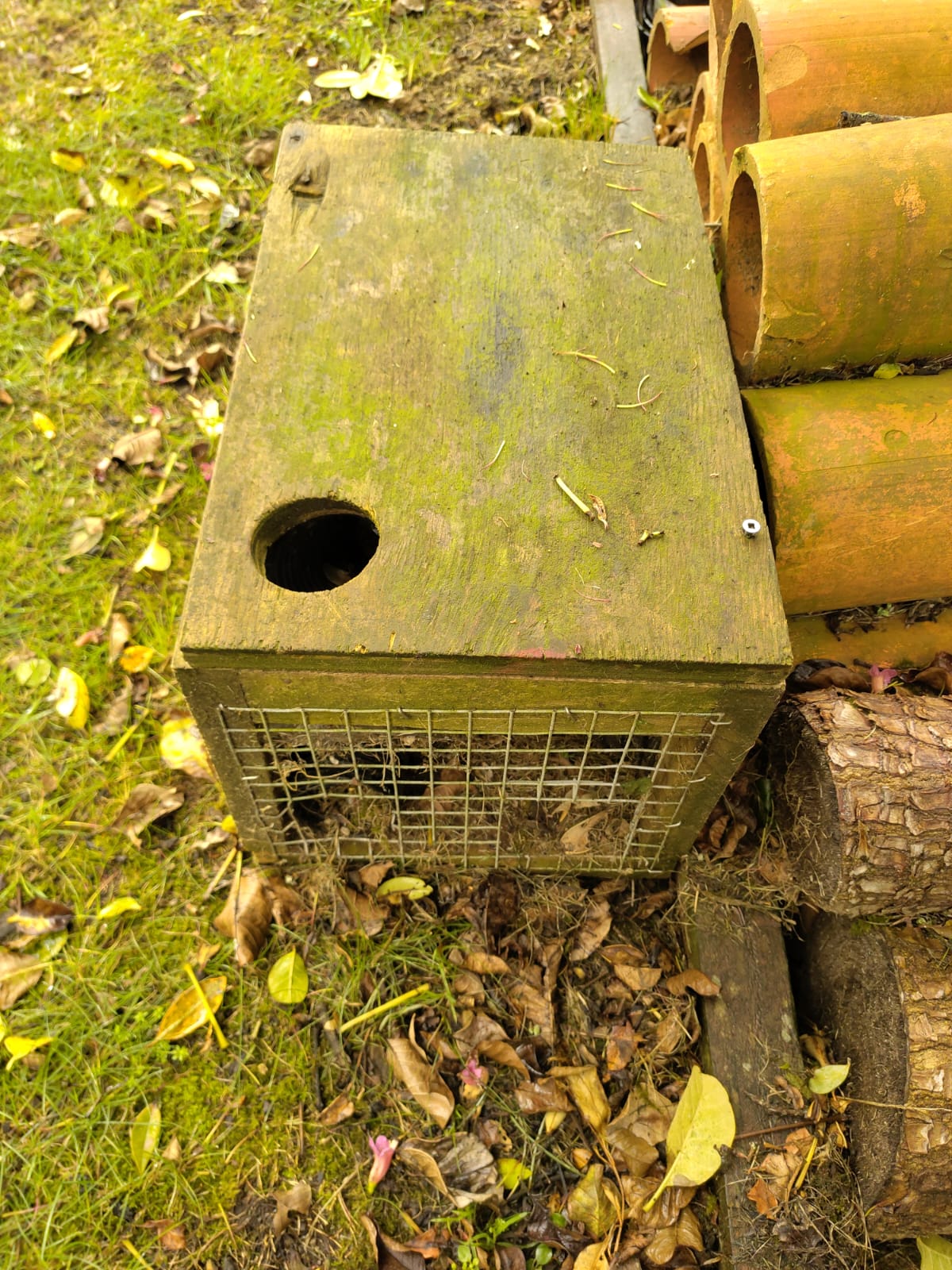
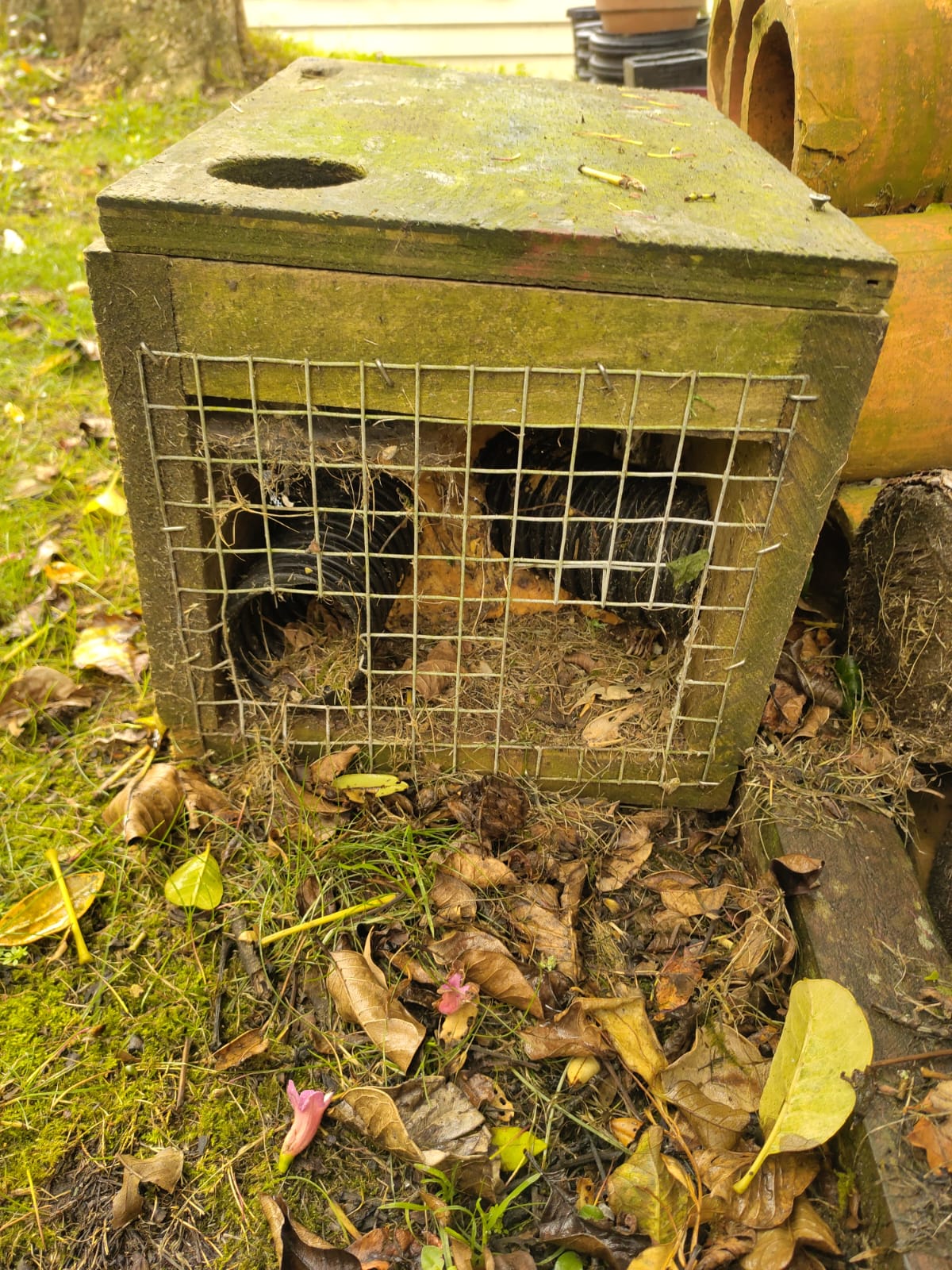
Some years ago, I modified a DOC200 box to prevent birds getting caught in it. It has been quite successful for catching rats. Never caught a bird in it. No stoats or weasels either, but this was probably due to other (more attractive) traps nearby.
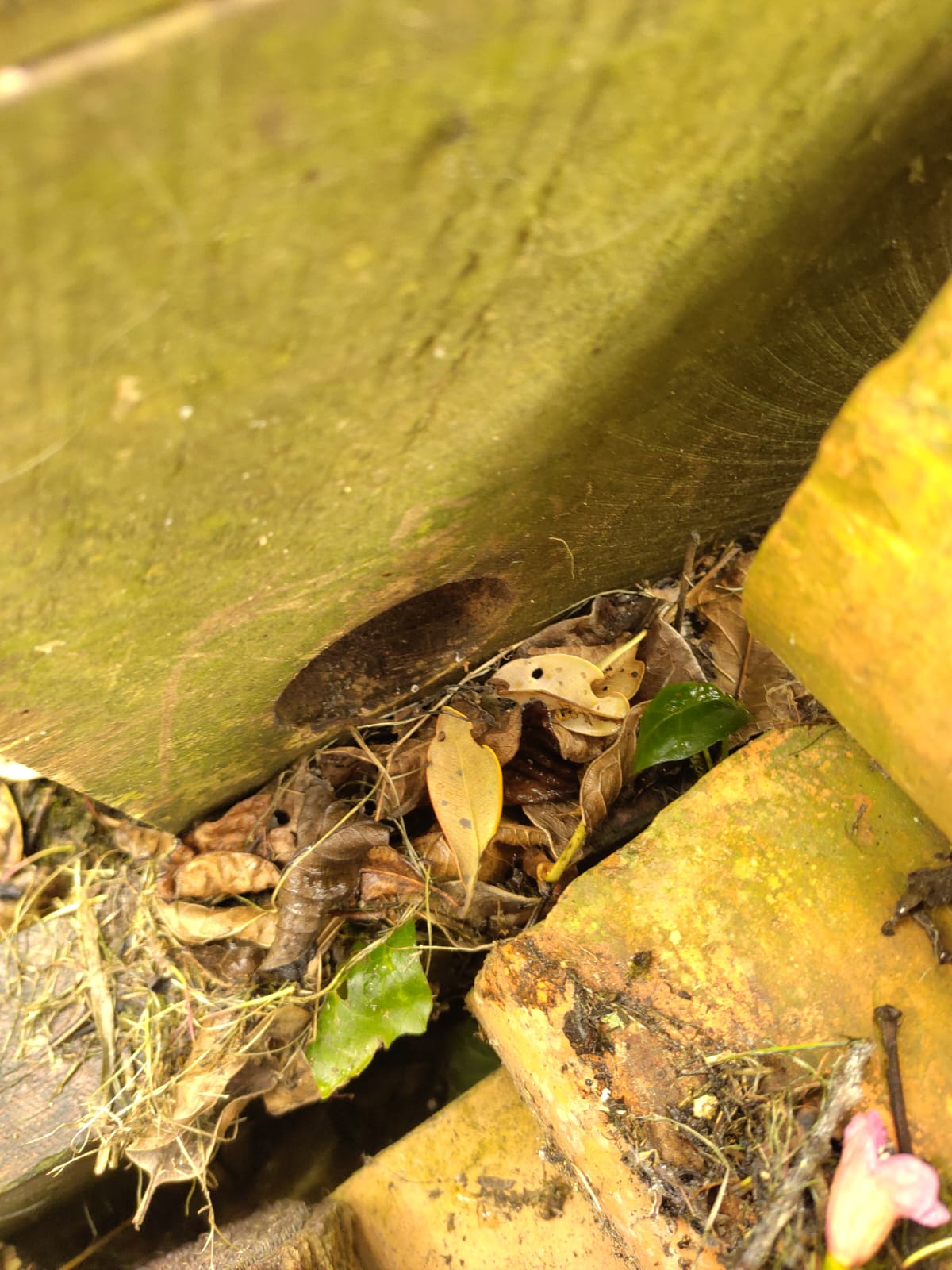
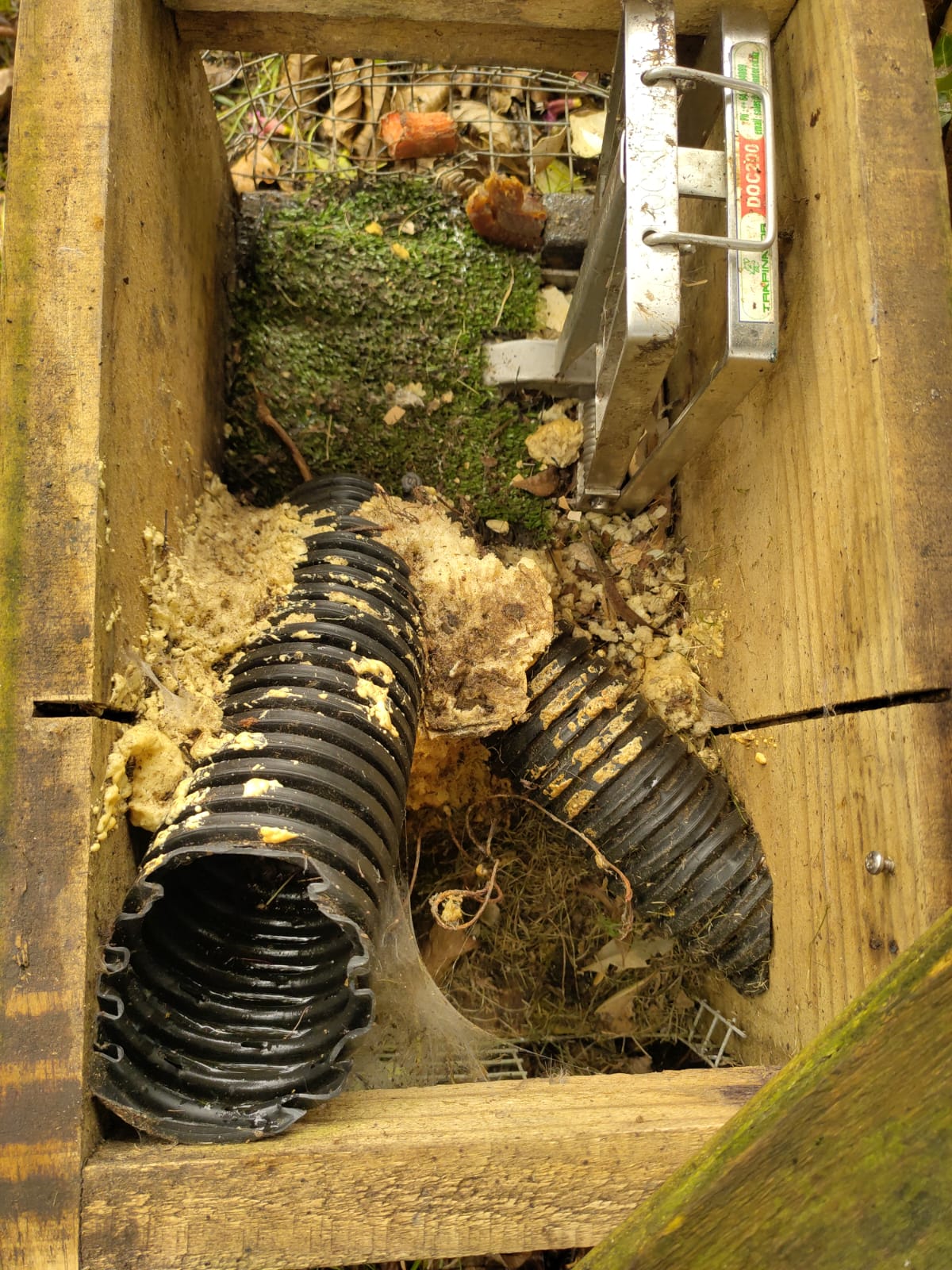
4 different entrances (2 in front, 1 on top, 1 on side). Bait visible in slightly expanded mesh at the rear. Birds might have a go at it, but they wouldn’t reach for the strike plate (which is covered by artificial grass, which doesn’t have a visual barrier for target species. Especially ship rats try the various entrances. Norway usually march in through the main entrance.
The main entrance still requires them to climb over a ‘hill’ of expanded foam, which also holds the drain pipes in place. This would also work in Weka and Kiwi country, I think. Takes a bit of time to put together, but it gives peace of mind. Best for use on private land (or elsewhere with permission). Councils may have a problem with modifications like this as they often want to standardize or argue that it voids the approval from DOC for the DOC200, not realizing that the approval only relates to the trap itself, not to the box or any other way of shielding non-targeted species from being trapped.
I have used Trapinators for a couple of years. 285 possums from 73ha in 18 months. Initially only 10 traps but now increased to 40. I quickly realised that some individual traps were way more successful. Measuring my traps and others from nearby trapping areas I established what factors were most important by ranking traps by catch rate (number of possums per check/rebait). Main factors improving catch were bottom of trap 80 to 100cm from ground. Attached to a tree 15 to 20cm in diameter. Tree leaning backwards 10 to 15 degrees. Species of tree that have possum sign also important. For traps attached higher up they could also be successful if they had a ramp and it appeared a substantial branch 10 to 15cm in diameter at 45 degrees might be better than a plank. Surroundings were also important. Traps that were clearly visible and near to a track were more successful. The new Trapinators have a grub screw that allows adjustment of sensitivity. Have used Connovation blue possum dough supplemented with apple threaded on the trigger arm (arm can easily be removed to put the apple on). Sometimes I put a blaze of flour on the tree. Lure disappearing can be a problem (I think rats). Putting a tunnel with a snap trap at the bottom of the tree baited with the same lure can help to remove offenders.
I love this set-up and the modifications you have done; I think more rat-focused trapping and poisoning should acknowledge that rats like to use tunnels and confined paths to move around.
I am going to quibble with your statement that the DOC approval only applies to the trap itself: NAWAC ethical guidelines for traps are actually based on the trap plus the box, guard, and mounting position.
Thanks for your comment. I haven’t looked at the NAWAC guidelines lately, but would be surprised if my mods wouldn’t pass those.
I moved so don’t do a lot of pest control anymore, but this trap is still being used. Catch rats in it, but also caught a hedgehog and a (young) feral cat in it. There are plenty of birds around here but none have gone into the trap because they can’t see the bait from the entrance. Blackbirds sometimes take the bait (apple) but only through the mesh at the rear. I agree with rats liking tunnels. Especially ship rats explore every entrance before ‘diving’ in. They come from all sides. Norway rats usually go straight in through the main entrance, climb over the ridge and bang, got you. The ‘carpet’ on the strike plate is not a deterrence at all. It’s a bit harder to set as the carpet has some weight. I usually hold up the strike plate until the trigger is firmly engaged with the little catch on the strike plate. As the ridge is a downhill slope towards the trap, rats are probably focused on the bait and might land on the strike plate pushing down harder than when just walking over.