Atē marie. I’d apprecate any comments on this topic please. At present we calibrate our traps to 100g. We use two 50g galv. washers as a test weight and adjust the sear gap to the thickness of a hacksaw blade. 100g. seems to be a good optimum trapping weight.
It’s been suggested to me that a target weight of 90g. would be better (for female stoats). My concern is the extent to which this is do-able or even worthwhile.
Hi I have written some stuff on adjusting treadles etc which is in tips and tricks and are going to write a page or two on adjusting trip weights as much of what you see on line could be better. I just haven’t got there yet.
given the difficulty getting doc type traps spot on with adjustment on the Sear ( would be way better with an adjustment screw ) I tend to work on the basis that I DON’T want the traps to go off at 50grams and aim for them to trigger at 90 - 100 grams 110g is fine for a 250 and sometimes it is difficult to calibrate a 250 lower than 110 grams anyway with being a hair trigger.
If Weasels are a concern then 80grams is what is recommended which is doable on 200’s but not on a 250
It is a good idea to keep track of any traps that have triggered but NO catch so that you can check calibration.
An important point is where you put the weights on the treadle again some terrible examples on line. I always aim to put my weights in line with the center of of opening in internal baffle and a quarter to half way across the Treadle plate. The way I see it this should be the spot that the animal should be far enough engaged with the trap that when the trap triggers it should be a nice clean humane kill.
Some people think hair triggers are the way to go for any trap, stoat rat or possum, but they potentially just create problems with animals not being fully engaged with the traps particularly DOC type traps. I brought it up in other stuff I wrote but in NAWAC testing15% of animals that enter a DOC box are not caught, change their mind, touch the treadle and change their mind or are not far enough into the trap when it goes off so escape.
The Ramps and covering treadle plate in Tips and Tricks could be worth a read
My experience with weasels in DOC 200s is the opposite of “not being fully engaged”. Most have been caught across the hindquarters on the way in to the bait. Not ideal for a humane kill, but I’ve never had a live one to deal with - yet. I think weasels are just so fast, if they make a decision to go for the bait they are almost across the treadle plate before the bar comes down. These traps are catching mice so its nothing to do with the light weight of a weasel.
Hi with the weasel being much smaller they will be able to move through the internal mesh baffle with more ease than a stoat or ferret. The internal Baffle recommended hole size could be considered restrictive but it is like that to comply with NAWAC, they needed the animals to go slower so that the kill bar had a good strike on the head,
Hi Dave and thanks for the reply. Out of almost 1600 kills since late 2019 we have only scored 8 weasels and all on one trap line.
My concern is a more general one though. Our project is a general purpose one aimed at a range of pests from rats to Stoats with everything between. Even stoats and the odd cat, done with a mix of single 250s and double 200s. All the ferrets were caught in non-NAWAC approved 200s. I suppose ferrets can’t read!
These traps are both blunt instruments and several factors influence their performance and accuracy. I aim for 100g. as a minimum trip weight and find this also avoids, in the main, sympathy springing. The sear set to the thickness of a hacksaw blade usually does the job. It can be done in the field or on the bench.
I’m being asked to set them now at 90g. for female stoats and my issue is whether these traps can actually be set reliably to a lower value. Indeed what the tolerances are when adjusting these traps. The other point I suppose is that if, at 100g. traps only kill male stoats, the outcome surely is the same.
Hi Brian
I realised it was you who asked the question just as I pushed reply
going off the study from a couple of years ago weasels are more of a problem than most think they are, there were more small birds in the guts of weasels than stoats in the study, but that could be highly variable around the country.
Interesting about the ferrets being caught in 200’s, while I don’t know your layout I think I would have a good look at 250 locations and are the traps set up spot on which I’m sure they will be.
Two years ago I analysed catch data 200 and 250 for a large group to see where they might do better 35 ferrets in 250 and 30 in 200s also the 250’s caught almost as many feral cats as ferrets, 200’s have a 60mm opening. Long story to what I think was happening.
female stoat is said to be 150 - 250 grams so how much difference 10 grams is going to make is questionable
Yes the 200 can be set to 90grams and still be reliable but probably best to give yourself a bit of a range say 80 or just over to 90 or it will be a frustrating exercise, I always check the trip weight a couple of times
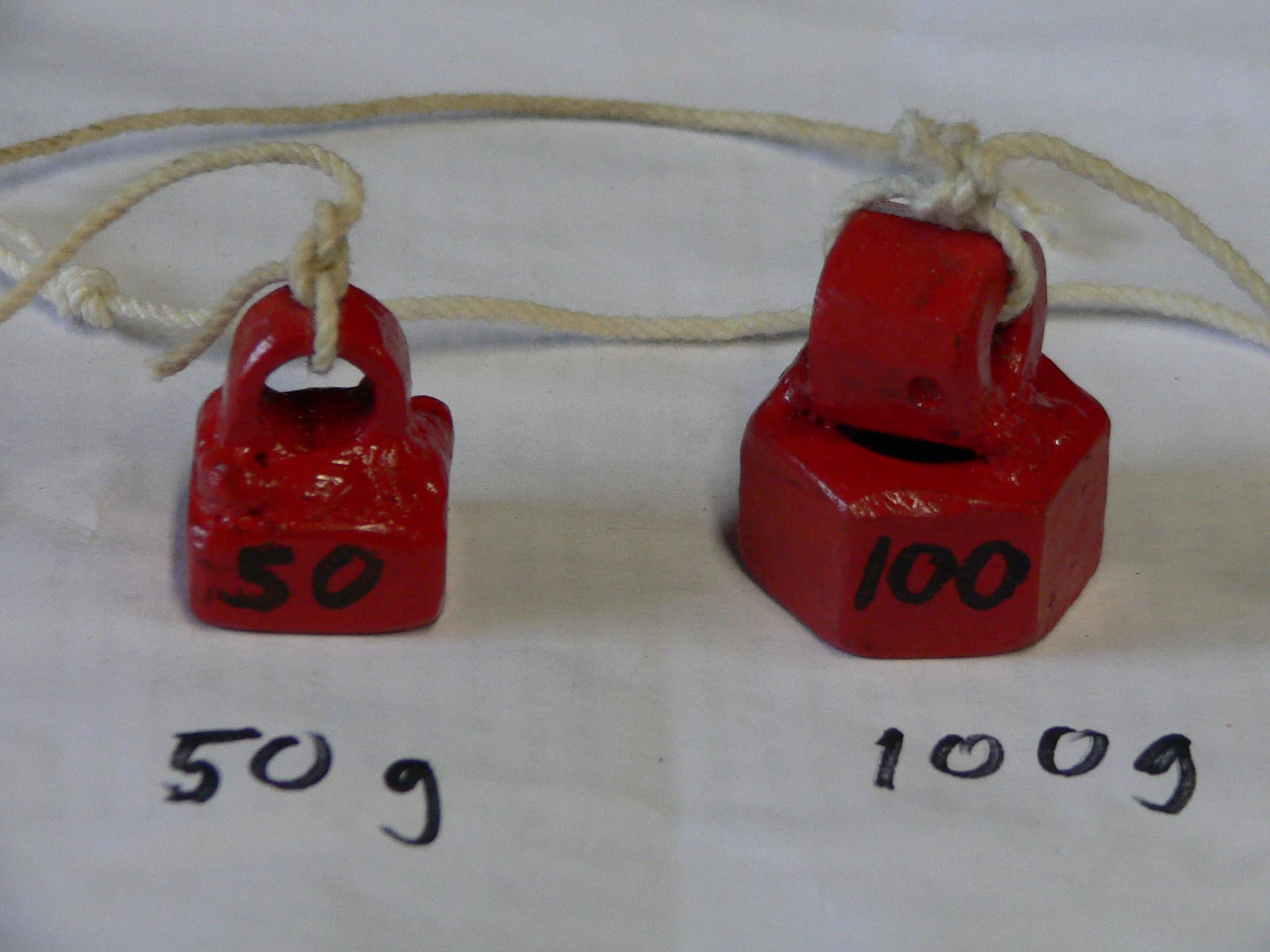
I make my own purpose built weights and check them on the digital kitchen scales, I normally carry 50, 80 and 100 g, plus I have a 10 and 20 gram washer for double checking how close they are. I make them for groups I work with
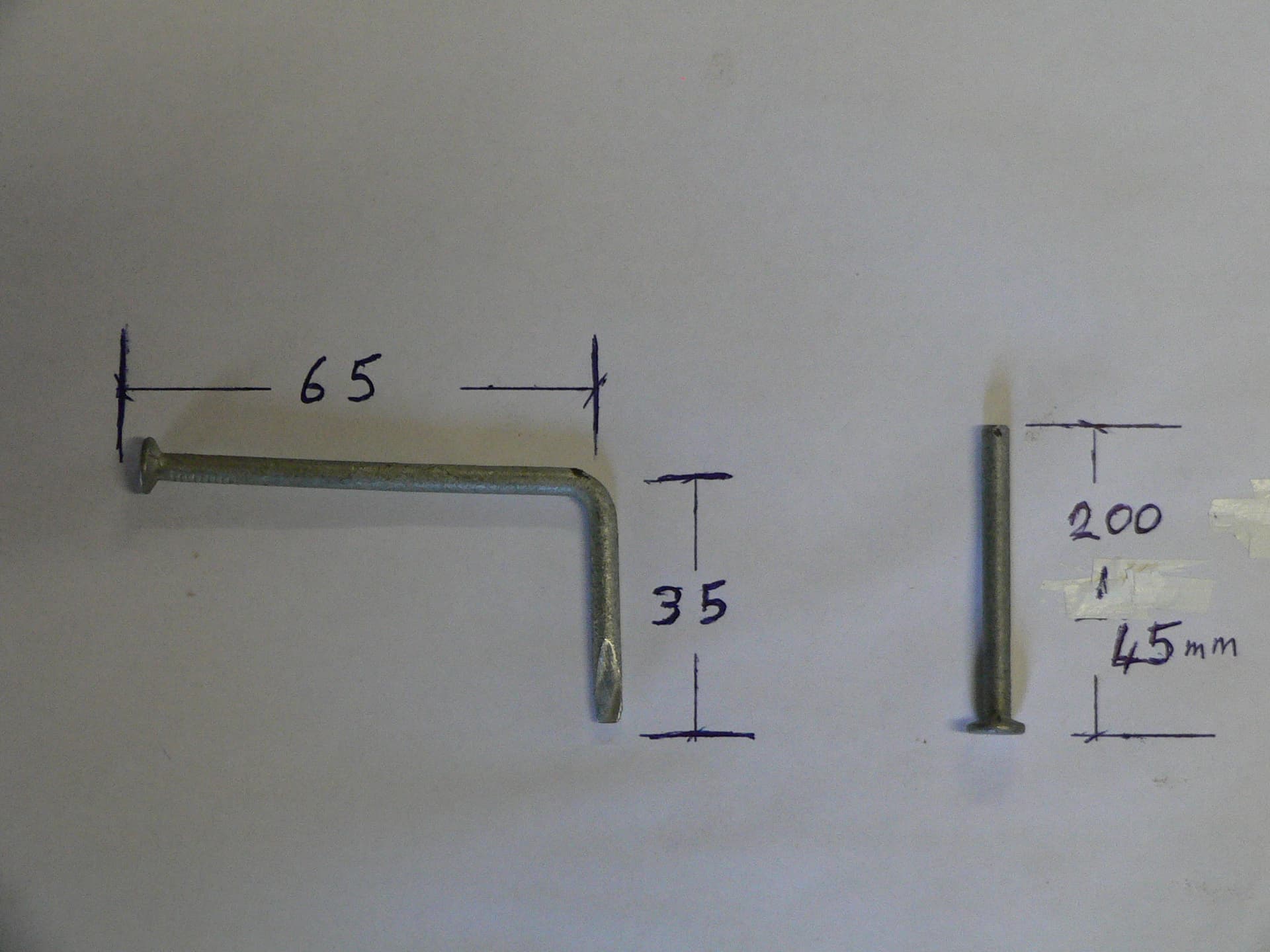
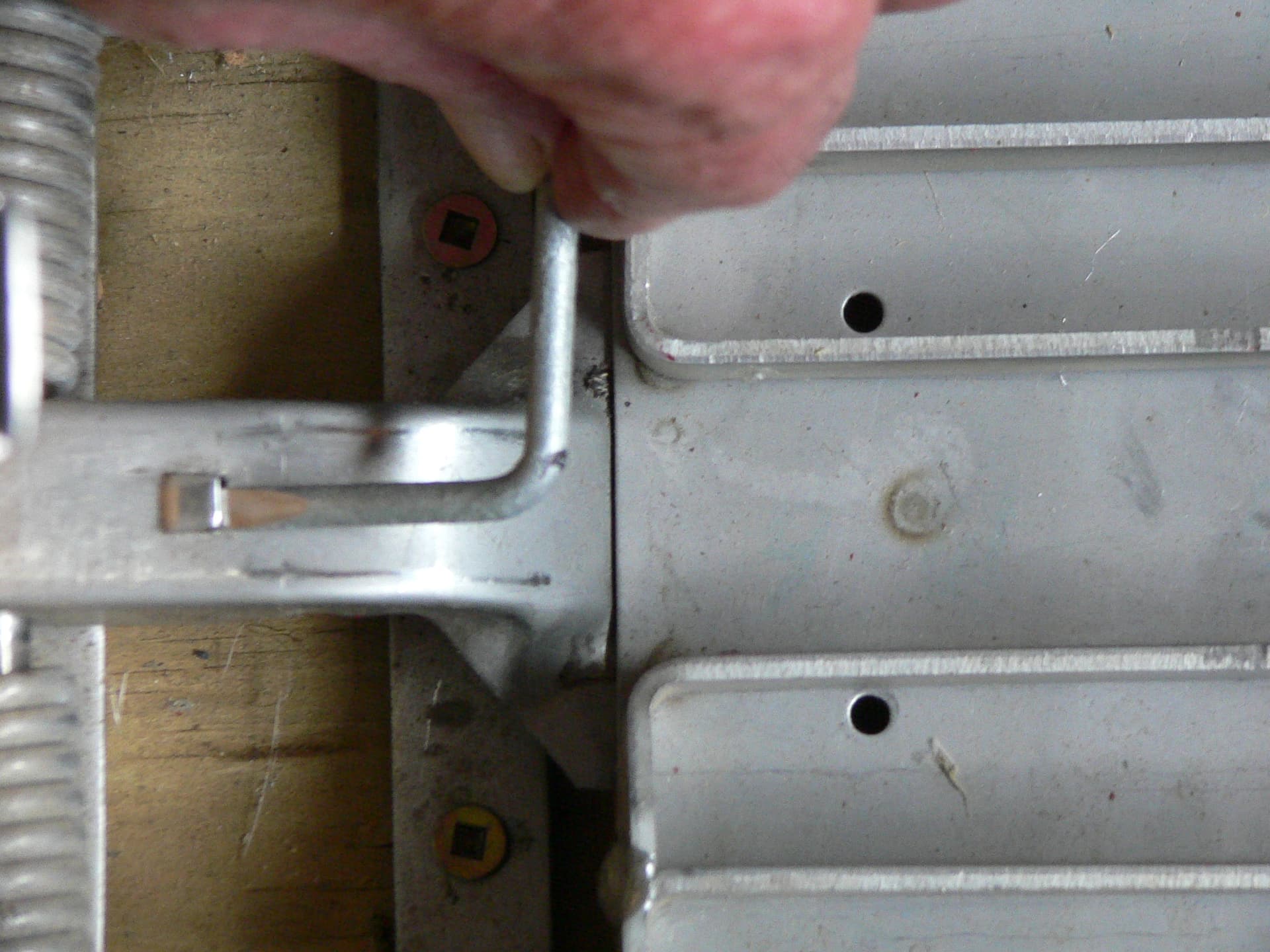
If you are recalibrating multiple traps could also pay to make a little tool for lifting the sear without having to remove the trap, need a long sharp edge to go under the sear, 100mm 4mm diam nail works fine, in photo forget the cut off nail to the right it’s too hard to use